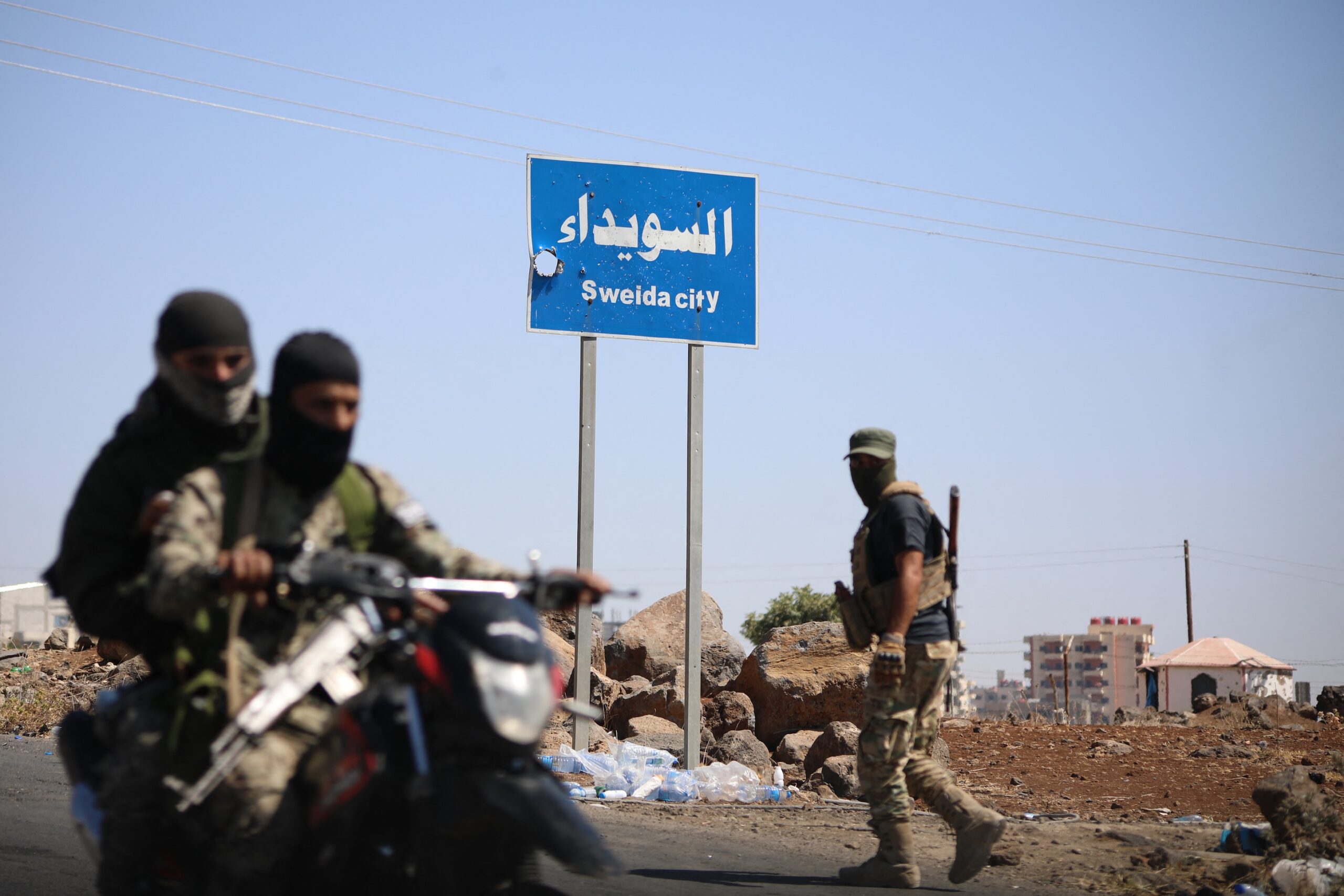
Sweida, a predominantly Druze region in southern Syria, has been devastated by a wave of sectarian and ethnic violence that erupted in July 2025. Clashes involving Druze armed groups, Bedouin tribal fighters, and Syrian government forces resulted in widespread killings, abductions, destruction, and mass displacement. The United Nations has reported that more than 1,700 people were killed and nearly 200,000 displaced during the violence, with serious abuses committed against civilians from both the Druze and Bedouin communities.
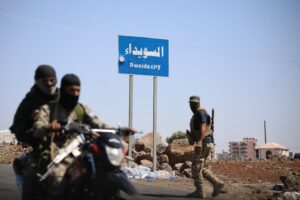
Nearly one-third of the region’s villages have been emptied as residents were forced to flee their homes. Many homes were looted, damaged, or burned, leaving families with little or nothing to return to.
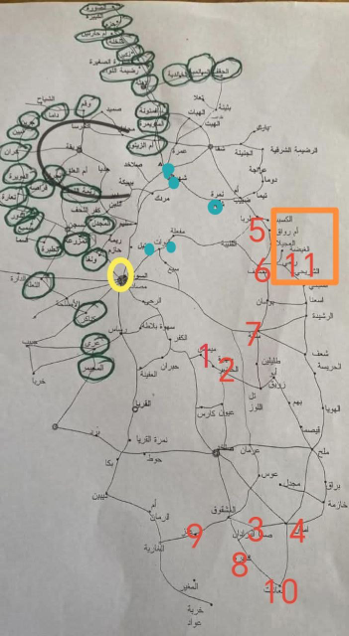
The villages in the northwest were among the first to come under attack. As the violence spread, families fled toward safer communities in the southeast, often carrying little more than the clothes they were wearing. Schools, places of worship, and private homes opened their doors to displaced families, with some households accommodating dozens of people. Unlike families staying in officially designated shelters, however, many of those living with relatives or host families receive little or no formal assistance.
As the intensity of the violence subsided and armed groups withdrew from some areas, some displaced residents began returning to Sweida city and nearby villages that suffered less damage. Yet the crisis is far from over. Schools, places of worship, and other community spaces in both the city and surrounding villages remain crowded with displaced families who have nowhere else to go.
VOC’s Humanitarian Response
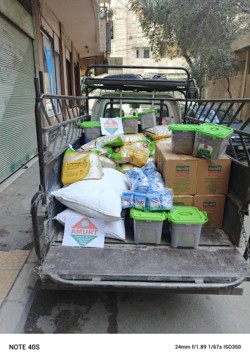
VOC has partnered with the international relief organization AMURT to provide emergency assistance to families affected by this crisis.
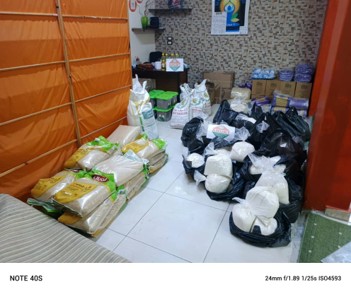
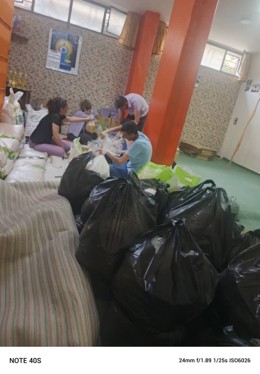
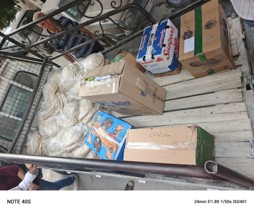
Our goal is to reach as many affected communities as possible and ensure that assistance reaches those who need it most. Depending on the circumstances of each family, support includes food baskets, medicines, clothing, and blankets for people who fled their homes with almost nothing.
For example, two nearby villages are currently hosting approximately 1,000 displaced people, many of whom are staying with local families or in schools. To respond to these needs, our partners are coordinating with trusted volunteers and local relief workers across the southeastern villages. They are also working with partners in Damascus who have helped facilitate the delivery of humanitarian aid convoys to Sweida city and surrounding areas.
Local volunteers in several host villages are helping identify and register displaced families so that assistance can be directed to those most in need.
Sweida currently has approximately 70 officially recognized shelter centers. However, many displaced families are staying outside these centers with relatives, friends, or acquaintances. In some cases, more than seven families are sharing a single home. These families are facing urgent shortages and are in desperate need of support.
How We Are Providing Assistance
1. Telephone Credit
Providing mobile-phone credit helps displaced families reconnect with relatives, access information, and communicate with sources of assistance. More importantly, it gives families greater independence to coordinate their own needs and locate support.
2. Food Baskets
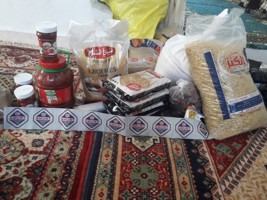
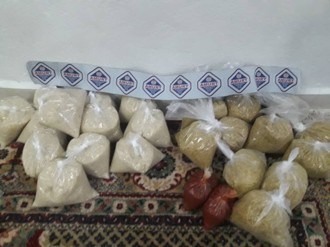
Food baskets provide families with essential staples to sustain them during displacement. This immediate assistance helps families get through the coming days while they wait for conditions to stabilize and, hopefully, for the opportunity to return home.
3. Cash Assistance or Cash Cards
Cash assistance gives families the flexibility to address needs that differ from household to household. Depending on their circumstances, families can use this support to purchase food, clothing, blankets, medicines, hygiene supplies, or other essential items that may not be included in standard relief packages.
Our aim is simple: to stand with families who have lost their homes, security, and livelihoods—and to help them meet their most urgent needs with dignity until they can return to a more stable life.